Disability, Intimacy and Wellbeing: Everyone Deserves Connection
Beginner Guides · 21 November 2026 · 5 min read · By Little Desires Team
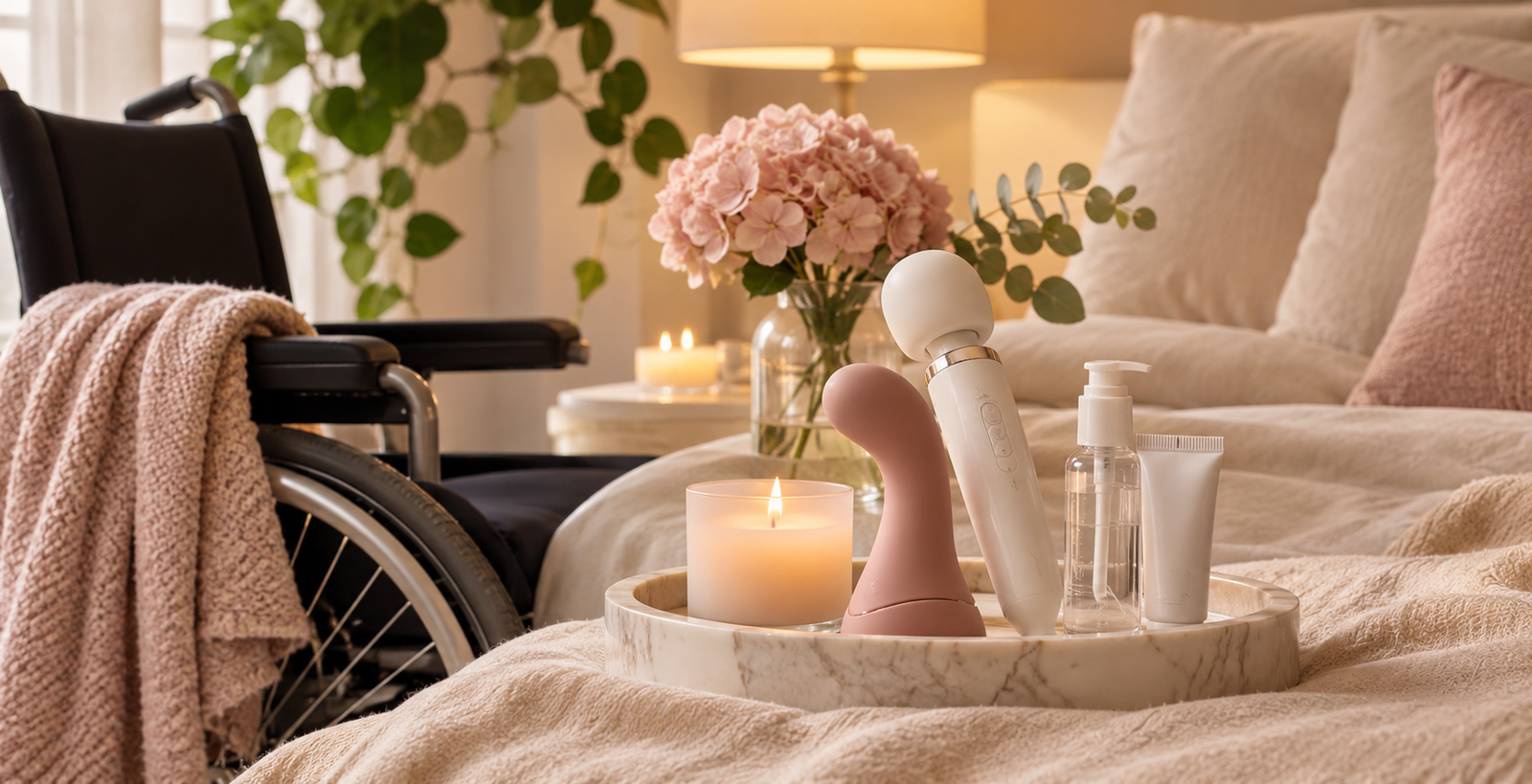
Disability, Intimacy and Wellbeing: Everyone Deserves Connection
Intimacy is a personal part of wellbeing, and it can mean different things to different people. It might include affection, closeness, touch, companionship, sensuality, sexual expression or simply feeling understood by someone you trust.
For people living with disability, intimacy can sometimes involve additional questions about access, comfort, communication, privacy or the way products and spaces are designed. Those questions deserve thoughtful, respectful answers — not assumptions.
At Little Desires, we believe everyone deserves to feel welcome, informed and respected. Disability does not define a person's interests, relationships or desires. Every person's experience is individual, and there is no single way to experience intimacy.
Moving Beyond Assumptions
People with disability are often overlooked in conversations about relationships, sexuality and wellbeing. This can happen because of stereotypes, inaccessible information or the mistaken belief that disability removes a person's interest in intimacy.
In reality, people with disability have the same diversity of identities, preferences, relationships and boundaries as anyone else. Some people are interested in sexual intimacy; others are not. Some enjoy partnered intimacy, solo exploration, affection or companionship. All of these experiences are valid.
The most respectful starting point is to listen to the person rather than make assumptions based on a diagnosis, mobility aid, appearance or support needs.
Accessibility Can Make a Difference
Accessibility is not one-size-fits-all. Depending on the individual, practical considerations might include:
- Comfort and positioning: pillows, supportive cushions or adjustable furniture may help someone find a comfortable position.
- Reach and handling: product size, shape, weight, grip and button placement can affect how easy an item is to use.
- Sensory preferences: texture, sound, temperature, scent and lighting may influence comfort.
- Energy and pacing: allowing time, taking breaks and choosing a time when energy levels are better can help.
- Privacy and storage: accessible storage, discreet packaging and control over personal information may be important.
- Clear information: straightforward descriptions, accurate dimensions and easy-to-understand instructions help people make informed choices.
These are possibilities, not recommendations for everyone. What feels comfortable and useful for one person may not suit another.
Choosing Products with Accessibility in Mind
When exploring intimacy and wellness products, it can help to look beyond appearance and consider how an item is designed.
Depending on individual needs and preferences, useful details may include:
- Simple controls that are easy to identify and operate.
- A shape and weight that feel comfortable to hold or position.
- Flexible or ergonomic designs where appropriate.
- Clear charging, cleaning and care instructions.
- Material information and product dimensions.
- Controls or features that can be understood without relying on colour alone.
If a product's description does not answer an important question, it is reasonable to ask the retailer for more information before purchasing. A helpful product page should make it easier to understand what an item is, how it works and how it is cared for.
No product is suitable for every person or every disability. Consider personal comfort, access needs and any relevant professional advice when making a decision.
Communication, Consent and Connection
For partners, open and considerate communication can make a meaningful difference. It may help to talk about what feels comfortable, what does not, what support is welcome and when someone would like to pause or change direction.
A few gentle principles can help:
- Ask rather than assume what someone needs.
- Give each person time to explain their preferences.
- Discuss boundaries and consent clearly.
- Remember that consent can be changed or withdrawn at any time.
- Treat practical adjustments as a normal part of shared connection, not as a burden.
- Keep conversations private and respect each person's independence.
Intimacy should never be something a person feels pressured to provide or participate in. Respect, choice and mutual comfort matter in every relationship.
Finding Information and Support
Reliable, accessible information can help people make decisions with confidence. Depending on the question, a person may wish to speak with a qualified health professional, occupational therapist, sexual health service or disability support organisation.
A professional who listens without judgement can help someone consider individual comfort, mobility, pain, medication effects or other personal circumstances. Online articles can offer general information, but they cannot assess an individual's health or support needs.
It is also reasonable to ask businesses whether they can provide product dimensions, operating instructions, material details or another format of information.
A More Welcoming Approach to Intimacy and Wellness
An inclusive shopping experience starts with respect. That means clear product information, considerate language, privacy, accessible communication and recognising that customers have different bodies, abilities and preferences.
At Little Desires, our aim is to create a calm, judgement-free place to explore intimacy and wellness. We know there is more work to do across the wider retail industry to make information, products and online experiences accessible to more people.
Everyone deserves to be treated with dignity. Everyone deserves the freedom to define what connection and wellbeing mean to them.
Final Thoughts
Disability does not take away a person's right to intimacy, affection, pleasure, privacy or connection. Accessibility, thoughtful design and honest communication can help people explore what feels right for them — in their own way and at their own pace.
There is no single version of intimacy, and there is no one-size-fits-all solution. The most important things are choice, respect, comfort and being heard.
At Little Desires, we believe everyone belongs in the conversation.
Frequently Asked Questions
Does disability affect a person's interest in intimacy?
There is no single experience. People with disability have individual interests, preferences and boundaries, just like everyone else. It is important not to make assumptions based on a person's disability.
What can make intimacy more accessible?
Depending on the person, helpful considerations may include comfortable positioning, supportive cushions, easy-to-use controls, suitable product weight and shape, sensory preferences, pacing and privacy.
What should I look for when choosing an intimacy product?
Consider clear controls, dimensions, weight, grip, material information and easy-to-follow cleaning and care instructions. The best choice depends on the individual's preferences and access needs.
How can partners talk about disability and intimacy?
Choose a comfortable time to talk, ask rather than assume, listen to each other's preferences and discuss boundaries and consent. Practical adjustments should be treated as a normal part of shared communication.
Where can someone get individual advice?
A qualified health professional, occupational therapist or sexual health service may be able to provide guidance tailored to an individual's circumstances. General online information cannot replace personalised advice.